Skip to content

Roof installations in Bath

SWS Roofing strip, re-membrane and re-cover roofs on Bath's terraces, stone villas and post-war semis. You get a proper loft-and-roof survey, a written quote, and a finished roof with lead work that is built to shed water for decades.

  • Natural slate, stone, clay and concrete tile
  • New membrane, treated battens and lead flashings
  • Scaffold, skip and parking planned before day one
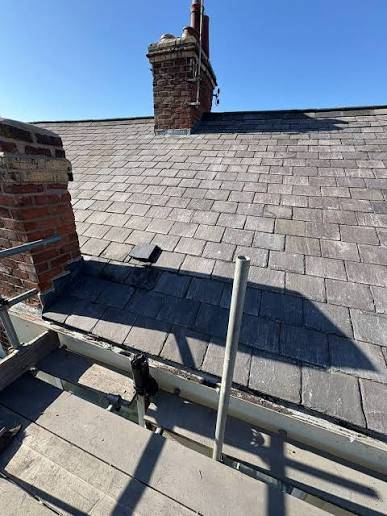
New roof being installed on a house

Why so many Bath roofs need replacing, not patching

Much of the housing here is old, and the roofs are often original or have been repaired so many times that the repairs hold more than the roof does.

Slates on older houses were hung on iron nails. After decades the nails rust through and the slates slip, a few at a time. Many pre-war roofs have no underlay at all, so wind-driven rain goes straight into the loft timbers.

Add steep pitches, parapet gutters and valleys shared between neighbours, and a single failed detail can soak a lot of timber before a stain ever shows on the ceiling. Once the repairs outnumber the sound slates, a new roof is the cheaper route.

Signs it is time for a new roof

  • Slipped, cracked or missing slates and tiles in several places, not just one
  • Daylight showing through the roof boards from the loft
  • Damp patches, stained ceilings or peeling paint under a roof slope
  • A sagging ridge or a dip in the roof line
  • Rusted nails, slate fragments or tile grit in the gutters and garden
  • Crumbling mortar at the ridge, hips or verges

Not sure it has gone that far? We will say so if a repair will do. See roof repairs in Bath.

Three kinds of Bath home, three ways to roof them

The house decides the covering, the access and the details. This is how we approach the roofs we see most.

Georgian and Victorian terraces

Tall, narrow houses with valleys and parapet gutters shared with next door. The work can touch the party wall, so we talk it through with you early and flag where the Party Wall etc. Act may apply.

What we fit: natural slate or clay, with new lead valleys, flashings and parapet linings.

Stone villas, cottages and conservation areas

Steep pitches, hips and chimneys, often in a conservation area or listed. Changing the covering can need consent, so we check before anything is ordered and match what is already there.

What we fit: natural slate, stone or clay tiles to suit, with lead-dressed chimneys and mortar-bedded ridges.

1930s to 1970s semis and flats

Original concrete tiles with brittle felt, lifting ridge tiles and tired verges are the usual story. Easier access than a terrace, so the job tends to move faster.

What we fit: concrete interlocking tiles on breathable membrane, with dry-fix ridge and verge systems.

How a new roof goes on

The roof is stripped and covered in sections, so it is never left open overnight. Here is the order we work in.

Leak while you wait for the start date? We can make it safe first.

  1. Survey and written quote

    We go into the loft and onto the roof, check rafters, battens, chimneys and gutters, and measure up. The quote comes in writing, listing the covering, flashings and extras.

  2. Access sorted before we start

    Terraces often mean scaffold over the pavement and a skip on the road. We plan both, along with any permit or parking suspension, before the start date is fixed.

  3. Strip back to sound timber

    Old covering and felt come off, and the structure underneath gets a proper look. Rotten rafters, wall plates and battens are cut out and replaced with treated timber, shown to you and agreed first.

  4. Membrane, battens, covering

    Breathable membrane goes down, then treated battens, then slate or tile fixed to the manufacturer's specification. Lead flashings are dressed round chimneys, abutments and valleys.

  5. Finish and handover

    Ridge, hips and verges are fixed, gutters cleared and scaffold struck. The drive and garden are swept and run over with a magnet to pick up stray nails.

What moves the price of a roof in Bath

No two roofs cost the same. These are the things that make the difference, so you can see where a quote comes from.

  • Roof size and pitchSteeper roofs with more hips and valleys take more labour and more scaffold.
  • The covering you chooseNatural slate and stone tiles cost more up front than concrete tile, and are matched to the house.
  • Access and scaffoldTerraces with no side access, steep streets for deliveries, and a skip on the road all add time and any permit fees.
  • Timber conditionOnly fully clear once the old covering is off. We show you any repair and agree it before it is done.
  • Chimneys, lead and roof windowsFlashings and re-pointing around them add time but stop the most common leaks.
  • Insulation and ventilationStripping a roof usually brings Building Regulations into play, so we advise on what is needed.

Reusing sound original slates can bring the cost down. We check them at survey and tell you straight if they are worth keeping.

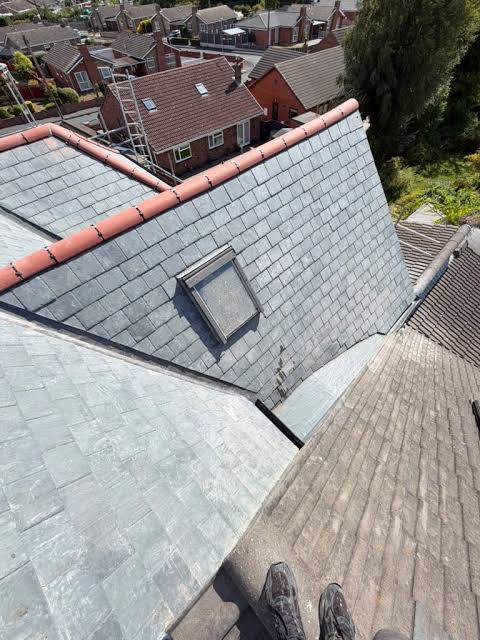
Finished roof installation

Brilliant service from start to finish. The team replaced our roof and the results are fantastic. Professional, friendly and very tidy. Highly recommend.

Customer review

Roofs fitted across Bath and the districts around it

We take on new roofs across the city, from the terraces on the hillsides to the estates on the edge of town. Common districts include:

  • Widcombe
  • Bathwick
  • Lansdown
  • Combe Down
  • Oldfield Park
  • Twerton
  • Weston
  • Larkhall
Roofing in Bath

Roof installation questions from Bath homeowners

Consent, scaffold, timings and old slates are the questions we hear most before a start date is set.

How long does a roof replacement take on a Bath terrace?

A standard terraced house usually takes several days to a week, depending on weather and how much timber needs replacing. Larger villas with hips, valleys and chimneys take longer. SWS Roofing gives you an expected programme with the written quote, and tells you straight away if anything we find changes it.

Do I need consent to re-roof a house in Bath?

Replacing like for like does not normally need planning permission. Listed buildings need listed building consent for changes, and homes in a conservation area can have restrictions on changing the covering, for example swapping natural slate for concrete tile. Check with the council before you commit. We will advise on materials that suit the house.

Will you need scaffold or road space?

Almost always scaffold, and on terraces with no off-street parking that can mean pavement or road space for the scaffold and skip. A permit or parking suspension may be needed. We plan this with you at survey so it is in place before the start date.

Can my existing slates be reused?

Sometimes. Sound natural slates can be set aside, re-fixed and topped up with matching ones, which can lower the cost. We look at their condition at survey. If the nail fixings have gone or the slates are delaminating, we will tell you plainly that new is the better choice.

Do Building Regulations apply when a roof is replaced?

Usually, yes. Stripping and re-covering a roof normally has to meet requirements for insulation, ventilation and structural safety. We tell you what applies to your house at the quote stage, so it is built into the price rather than added later.

Planning a new roof in Bath? Speak to a roofer first

Tell us the street, the type of house and what you are seeing in the loft. We will book a survey and follow it with a written quote.

Call SWS Roofing 01225 800302

Phones answered Mon–Fri 8am–6pm. Emergency callout 24/7.